


Kinky Hair: Expert Tips for Intense Moisture
- Luxurious Black Girl Vibes LLC
- Oct 12, 2025
- 5 min read
Updated: Oct 12, 2025
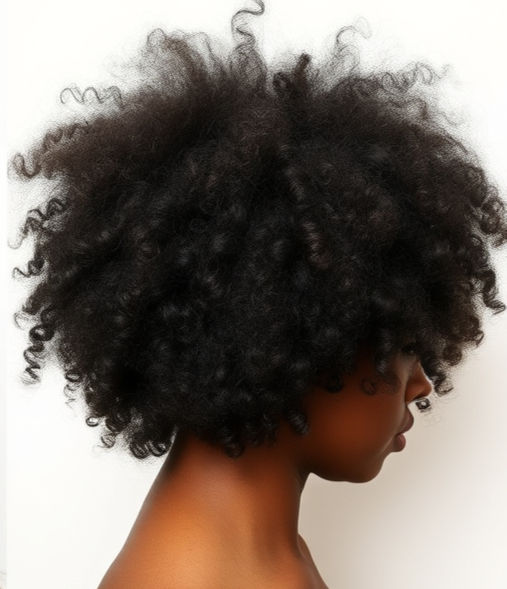
Have you ever felt like your kinky hair laughs in the face of every moisturizing product you throw at it? Does it seem to defy hydration, remaining stubbornly dry and brittle despite your best efforts? You’re not alone. Many of us with tightly coiled textures struggle to achieve and maintain that luscious, moisturized mane we crave. But fear not! Intense moisture is achievable. This article will unpack expert tips and techniques specifically designed to transform your thirsty strands into hydrated, healthy, and thriving coils. We'll explore everything from understanding your hair's unique needs to mastering moisturizing techniques and selecting the right products.
Understanding Your Kinky Hair
Defining Kinky Hair and Its Characteristics
"Kinky" hair, also known as Type 4 hair, is characterized by its tight coils, zig-zag patterns, and often, its density. This hair type includes 4A, 4B, and 4C textures. Unlike straighter hair types where sebum easily travels down the hair shaft, the kinks and bends in kinky hair make it difficult for natural oils to distribute evenly. This inherent dryness is a primary reason why intense moisture is so critical. Furthermore, Type 4 hair is often more fragile than other hair types, making it prone to breakage if not handled with care. Recognizing these inherent characteristics is the first step in developing an effective moisturizing strategy.
Porosity and its Impact on Moisture
Porosity refers to your hair's ability to absorb and retain moisture. Low porosity hair has tightly closed cuticles, making it difficult for moisture to penetrate. High porosity hair, on the other hand, has raised or damaged cuticles, allowing moisture to enter quickly but also escape just as easily. Determining your hair's porosity is crucial for selecting the right products and techniques. A simple test involves placing a few strands of clean hair in a glass of water. If the hair floats, it likely has low porosity. If it sinks quickly, it likely has high porosity. If it floats for a while before sinking, it has normal porosity. Understanding your porosity will help you tailor your moisturizing routine for optimal results.
Expert Tips for Maximum Hydration
The LOC/LCO Method: A Moisture Powerhouse
The LOC (Liquid, Oil, Cream) and LCO (Liquid, Cream, Oil) methods are popular techniques for layering products to lock in moisture. The "liquid" component is typically water or a water-based leave-in conditioner, providing the initial hydration. The "oil" acts as a sealant, trapping the moisture within the hair shaft. The "cream" provides an additional layer of moisture and definition. The order of application (LOC vs. LCO) depends on your hair's porosity. Low porosity hair often benefits from LCO, as the cream helps to soften the hair before the oil is applied. High porosity hair often benefits from LOC, as the oil helps to seal the moisture in quickly before it escapes. Experiment to see which method works best for your hair.
Deep Conditioning: Your Weekly Moisture Boost
Deep conditioning treatments are essential for replenishing lost moisture and repairing damage. Look for deep conditioners that contain hydrating ingredients such as shea butter, honey, glycerin, and aloe vera. Apply the deep conditioner to clean, damp hair, and cover with a shower cap or plastic wrap to trap heat. Leave the deep conditioner on for at least 20-30 minutes, or longer for a more intense treatment. You can also use a hooded dryer or steamer to enhance the penetration of the product. Make deep conditioning a weekly ritual for noticeably softer, more manageable hair.
Steaming: Unlocking the Cuticle
Hair steaming is an excellent way to open the hair cuticle and allow moisture to penetrate deeply. Using a hair steamer or even sitting in a steamy bathroom can significantly improve your hair's hydration levels. Steam helps to lift the hair's cuticle, allowing moisturizing products to penetrate more effectively. Follow up steaming with a moisturizing treatment and sealant to lock in the hydration.
Protective Styling: Shielding Your Strands
Protective styles, such as braids, twists, and updos, can help to minimize manipulation and protect your hair from environmental damage, such as sun exposure and dry air. However, protective styling doesn't mean neglecting moisture! Continue to hydrate your hair regularly while it's in a protective style. Use a spray bottle to spritz your hair with water or a leave-in conditioner. You can also apply a lightweight oil to your scalp to prevent dryness and itching. Remember to take breaks from protective styles to allow your hair to breathe and avoid excessive tension, which can lead to breakage.
Choosing the Right Products for Moisturizing Kinky Hair: Expert Tips
Identifying Key Ingredients
Water: The foundation of hydration.
Glycerin: A humectant that attracts moisture from the air.
Aloe Vera: Soothes and moisturizes the scalp and hair.
Shea Butter: A rich emollient that seals in moisture.
Honey: A natural humectant and antioxidant.
Natural Oils (Coconut, Olive, Avocado, Jojoba): Provide essential fatty acids and lubrication.
Understanding Hair Types and Product Selection
Different Hair Types have varying needs. Finer hair types may benefit from lighter, water-based products, while thicker hair types may require richer, cream-based products. Experiment with different textures and formulations to find what works best for your specific Hair Types and porosity. Don't be afraid to try new products, but always read the ingredient list and patch test before applying anything new to your entire head.
Lifestyle Factors Affecting Moisture Retention
Diet and Hydration
What you put inside your body directly impacts your hair's health and moisture levels. Drink plenty of water throughout the day to keep your hair hydrated from the inside out. Incorporate foods rich in healthy fats, such as avocados, nuts, and seeds, into your diet to nourish your hair follicles. Consider taking a hair, skin, and nails supplement to provide essential vitamins and minerals.
Environmental Considerations
Environmental factors, such as dry air, sun exposure, and hard water, can contribute to dryness and breakage. Protect your hair from the sun with a hat or scarf. Use a water softener or shower filter to remove minerals from hard water that can strip your hair of moisture. Invest in a humidifier to add moisture to the air, especially during the winter months.
Conclusion
Achieving intense moisture in kinky hair is a journey, not a destination. It requires understanding your hair's unique needs, mastering moisturizing techniques, and selecting the right products. Remember to prioritize hydration, seal in moisture, and protect your strands from damage. By incorporating these expert tips into your routine, you can transform your dry, brittle hair into hydrated, healthy, and thriving coils. Start today! Evaluate your current routine and incorporate at least one of the tips mentioned above. Your hair will thank you for it.


Comments